Alongside People · Led by Paul Volpato
Good judgement. Hands-on help.
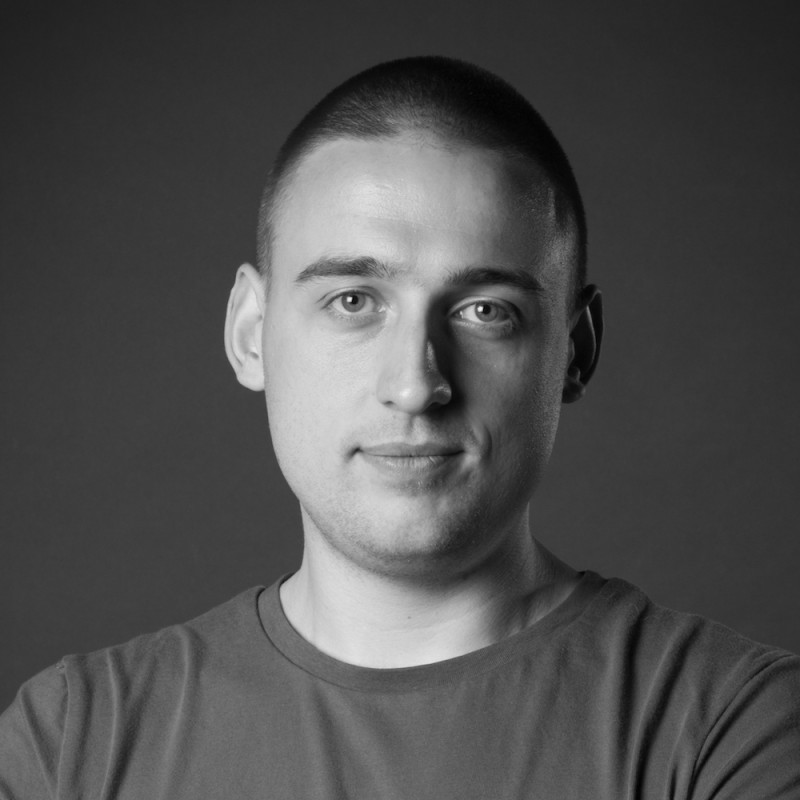
We help Melbourne companies and government organisations make sense of what they’ve tried with AI, then build the changes worth making. Our founder and CEO, Paul Volpato, brings more than 20 years in software engineering, alongside product and business leadership.
Advice you can put to work.
Some ideas need a closer look. Others are ready to become something your team can try. We help with both: making the decision and building the change. The people who know the job help us understand what matters, try the change and judge the result.
The aim is more room for useful work: a better handover, less time collecting updates, or information that helps someone make a decision. We agree what a good result would look like and check what happens.
A note from our founder.
I’m Paul Volpato, founder and CEO of Alongside People, and co-founder and CTO of Sesimi. My work has taken me through publishing, travel, insurance, leasing and finance, across product, technology and business leadership.
In agency work, I saw talented people spend hours on repetitive digital production, with less time and budget left for creative work. That problem helped lead to Sesimi, where our work spans creative automation, digital asset management, compliance, fund management and planning.
That experience shapes what I look for now. When a tool produces something quickly, I want to know what happens next. Does the next person have what they need? Is the checking manageable? Has the team gained time for the work they wanted to do?
Those questions inform how I lead Alongside People. You can read more about my background on LinkedIn and my personal site, longhand.
People need to understand the result.
My view is that people must own the purpose, decisions and outcome of the work. If an AI agent prepares a customer brief, the person going into the meeting still needs to understand the commitments in it. A button marked “Approve” can’t do that for them.
Giving AI more responsibility is a decision to make when the evidence supports it. Each system needs a clear job, sensible limits and a way to hand a problem back to a person. Keeping a person involved can be the right long-term choice.
How our team works with yours.
We start with what you’ve tried and the work you want to improve. From there, we help you choose a change, build it and see whether it earns a place in the day. A few things guide us along the way.
Look at a real example.
We’ll sit with the people doing the job and follow a recent piece of work. The missing detail, the awkward handover and the workaround someone uses every day are often where a useful change begins.
Make responsibility clear.
People should know which decisions are theirs, what the software may do and where to ask for help. We include those arrangements in the change, along with a way to finish the job if the tool fails.
Count the work around the tool.
A quick draft might need a slow check. We look at preparation, corrections and upkeep, as well as the result, so you can see what the change means for the people involved.
Let the results guide the next step.
We try a change small enough to examine properly, including the awkward cases. What we learn can justify doing more, adjusting the idea or stopping. We’ll be clear about what we’ve seen and what we still don’t know.
More from Paul.
At longhand, Paul writes about technology, responsibility and how we work. His essays explore ideas behind our approach, including human ownership of work and what it means to verify a result.
Let’s talk it through
What have you tried?
What’s next?
Tell us what looks promising, what’s getting in the way, or what you’re still trying to work out. A few sentences is plenty to begin.